Panagia Koronisias

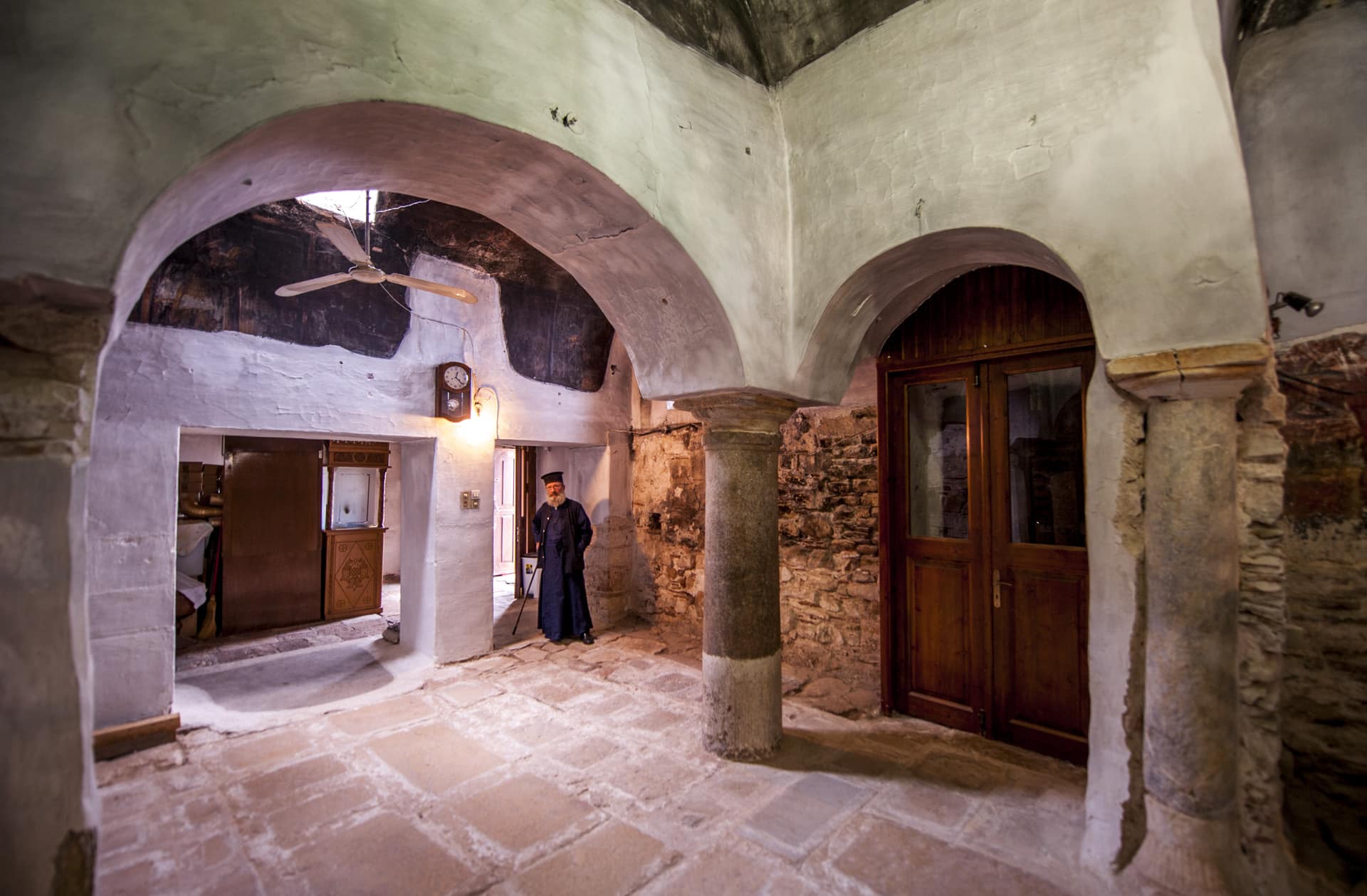
In the middle of beautiful Koronisia, in the arms of Amvrakikos gulf, dominating on the top of the small hill, guard over all, the land and the sea, stands the little church of the Nativity of the Theotokos, a remnant of the old and thriving monastery.

This is one of the oldest churches of Byzantine Arta and dates back to the 10th century. During the Frankokratia and Ottoman Occupation flourished and sheltered many monks.

Later, however, for various reasons it fell into decline and at the end of last century it was abandoned by the monks and it was deserted.

However, the church and the small chapel of St. Onoufrios, at a distance of a few meters to the east of the church, still give testimony to its old glory.

Furthermore, the old well that supplied the monastery with water as well as ruins from the cells and auxiliary areas are still preserved to the south of the church.
Castle of Rogoi, Assumption of the Theotokos

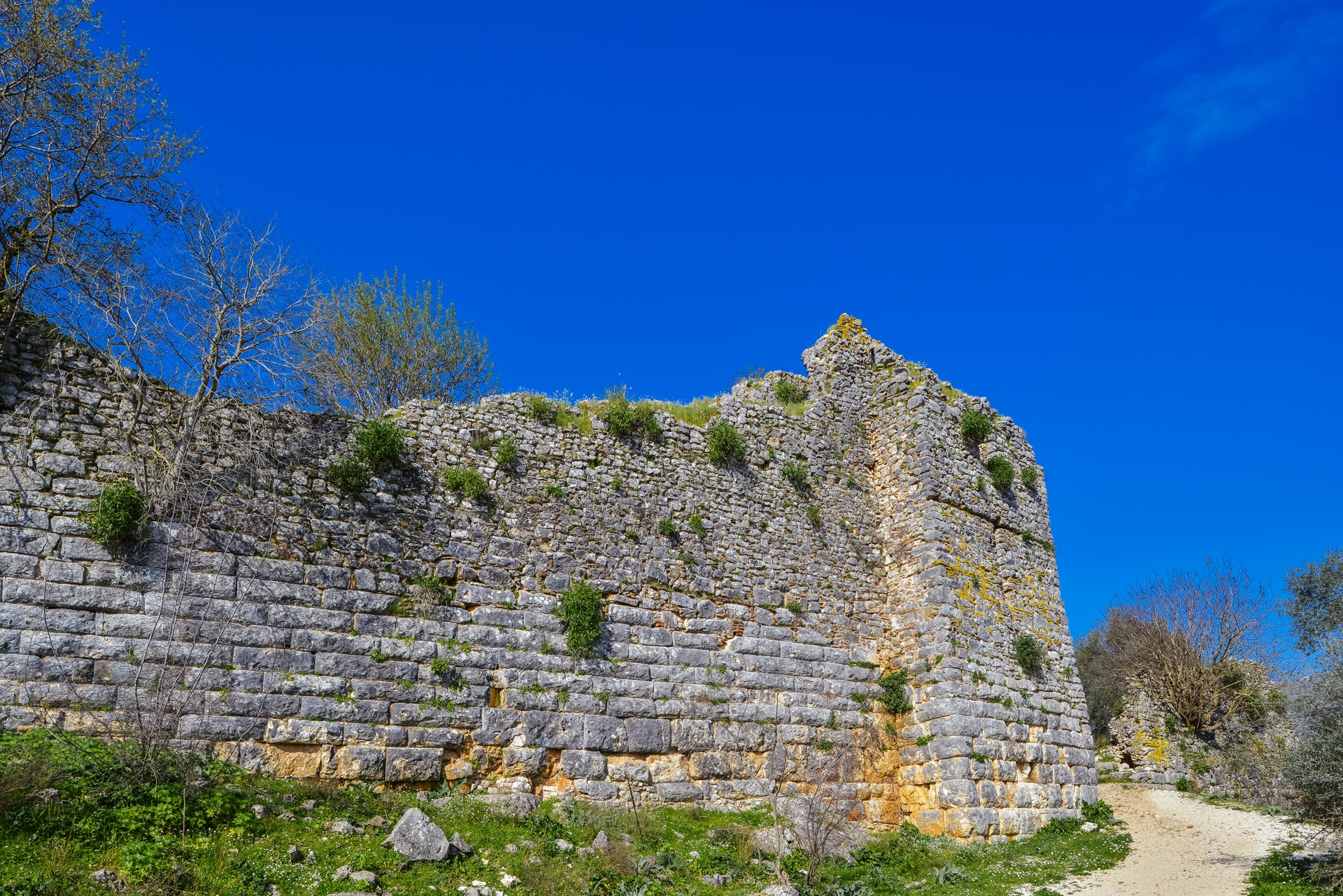
The Castle of Rogoi rises on a hill in the area between Nea Kerasounta and Petra.

It was built on the ruins of the ancient city of Bouchetion which was a colony of the Eleans.

The citadel was first fortified in the 5th century BC and the boulders can be distinguished in the current structure of the castle.

The settlement was named Rogoi or Arogoi, because it offered shelter and asistance (arogi in Greek) in the Middle Ages to the populations of the coastal areas during raids.

Louros river flows to its south and west. The strategic importance of the castle stems from the fact that in the old days, Louros river was navigable and served as a transportation water road of materials from mainland Epirus.

Its heyday coincides with that of the Despotate of Epirus, in the 13th and early 14th centuries.

Inside, a stone single-aisled basilica tells the story of an old monastery. It is a church in honor of the Assumption of the Theotokos, which was renovated and painted in the late 17th century and is a historic listed monument.

Search